Heart Rate Variability: What It Reveals About Stress and Recovery
By Lily P. McKeithan
Reviewed and approved by Matthew McKeithan
Meta description: What heart rate variability measures, why it matters for stress and recovery, and how it connects to nervous system training.
Introduction
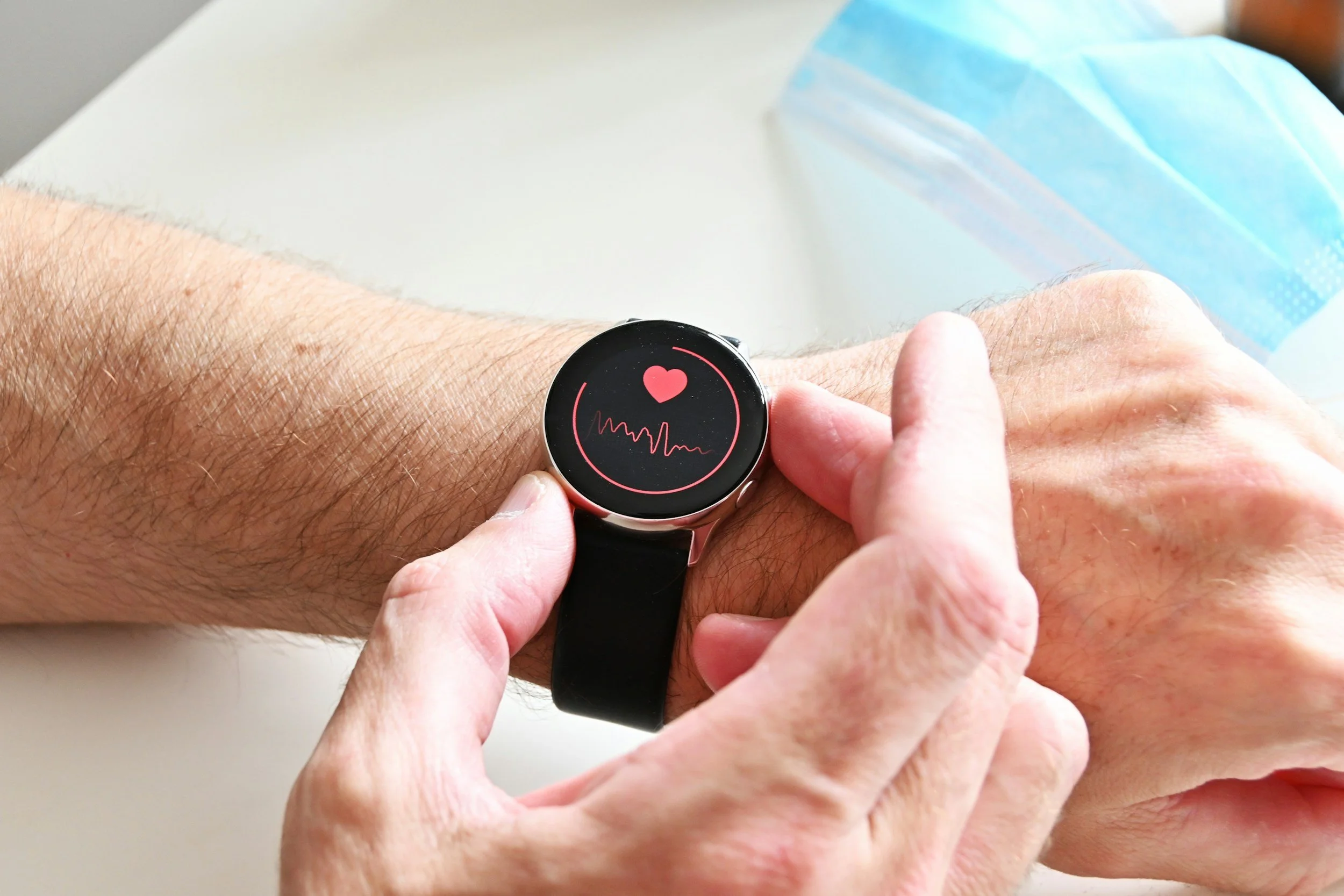
Heart rate variability, often abbreviated as HRV, has become a popular metric on fitness trackers and smartwatches, but many people are unsure what it actually measures or why it matters. Unlike simple heart rate, which just counts beats per minute, HRV looks at the variation in time between individual heartbeats. This variation turns out to be a remarkably useful window into how well the nervous system is managing stress, recovery, and overall resilience.
What HRV Actually Measures
A healthy heart doesn’t beat like a metronome; the interval between beats naturally speeds up and slows down in response to breathing, physical demands, and shifts in the nervous system. Higher HRV generally reflects a nervous system that can flexibly shift between states of alertness and calm, while lower HRV often suggests the system is stuck in a more rigid, less adaptable pattern. This flexibility, rather than a specific number, is really what HRV is capturing: how well the body’s stress-response system can adjust to changing demands.
The Autonomic Nervous System Connection
HRV is closely tied to the balance between the sympathetic nervous system, which drives the fight-or-flight response, and the parasympathetic nervous system, which supports rest, digestion, and recovery. When the sympathetic system dominates for extended periods, such as during chronic stress, HRV tends to decrease, reflecting a nervous system that is spending most of its time in a defensive, activated state. Practices and treatments that strengthen parasympathetic activity, like slow breathing, certain forms of therapy, and neurofeedback, often correspond with improvements in HRV over time.
Why HRV Matters for Mental Health
Lower HRV has been associated with higher rates of anxiety, depression, and chronic stress in research studies, likely because a less flexible nervous system struggles to downregulate after a stressful event. This doesn’t mean a single low HRV reading is diagnostic of a mental health condition, but tracking trends over time can offer useful information about how someone’s nervous system is responding to their overall life circumstances, sleep, and recovery practices. Many trauma-informed and stress-focused treatment approaches now incorporate HRV as one piece of a broader picture of nervous system functioning.
Factors That Influence HRV
HRV is affected by far more than just psychological stress; sleep quality, physical fitness, alcohol use, illness, hydration, and even the timing of measurement throughout the day all play a role. This is why comparing your HRV to a friend’s or to a generic population average is far less useful than tracking your own trends over time and noticing patterns related to specific habits or life changes. A dip in HRV after a poor night’s sleep or an intense workout is normal and expected, not necessarily a sign that something is wrong.
HRV Biofeedback and Training
HRV biofeedback, a technique that teaches people to influence their own heart rate variability through paced breathing, has shown promising results for anxiety, stress management, and even some physical health conditions. This approach typically involves breathing at a specific, slower pace, often around six breaths per minute, while watching real-time HRV feedback, gradually training the nervous system toward greater flexibility. This is a distinct but related practice to neurofeedback, which targets brainwave patterns rather than heart rhythm, though both approaches share the underlying goal of training better nervous system regulation.
Interpreting Your Own HRV Data
Because HRV is so sensitive to daily variables, providers generally recommend looking at weekly or monthly trends rather than reacting to any single day’s number. A gradual upward trend over weeks of consistent good sleep, stress management, and recovery practices is generally a positive sign, while a sustained downward trend may warrant a closer look at what’s changed in someone’s life, sleep, or stress load. Context always matters more than the raw number itself.
Conclusion
Heart rate variability offers a genuinely useful, non-invasive window into how the nervous system is handling stress and recovery, reflecting the balance between activation and rest that underlies so much of mental and physical health. While it isn’t a diagnostic tool on its own, tracking HRV trends alongside other information can help identify when the nervous system needs more support, whether through better sleep, breathing practices, or more targeted approaches like neurofeedback.
For those in Greenville, SC and across the Upstate South Carolina area interested in nervous system regulation and stress resilience, BrainFit Studio offers neurofeedback training that supports the same underlying systems HRV reflects.