How Trauma Changes the Brain—and Why Healing Is Still Possible
By Lily P. McKeithan
Reviewed and approved by Matthew McKeithan
Meta description: An accessible look at how trauma affects brain structure and function, and why the brain’s capacity for healing offers real hope for recovery.
Introduction
Trauma is not just a psychological experience; it leaves measurable marks on the brain’s structure and function. Understanding these changes is not about assigning damage or a permanent label; it is about making sense of very real symptoms like hypervigilance, emotional flooding, or difficulty concentrating that so many trauma survivors describe. The good news backed by decades of neuroscience research is that the brain remains capable of change throughout life, which means healing is not just possible but is something the brain is actually built to do.
The Amygdala and the Alarm System
The amygdala acts as the brain’s threat detector, scanning the environment for danger and triggering the fight, flight, or freeze response. After trauma, this region can become more reactive, firing off alarm signals even in situations that are not actually dangerous. This heightened reactivity is why many trauma survivors feel on edge or easily startled long after the original threat has passed. It is not a sign of weakness or overreacting; it reflects a genuine shift in how the brain is processing safety and danger cues.
The Prefrontal Cortex and Losing the Brakes
The prefrontal cortex is responsible for reasoning, planning, and regulating emotional responses, essentially acting as a brake on the amygdala’s alarm signals. Trauma can reduce activity in this region, weakening its ability to calm the nervous system once it has been activated. This helps explain why logical reassurances alone, like being told there is nothing to worry about, often fail to calm someone whose nervous system is already in a heightened state. The thinking brain and the alarmed brain are, in a very real sense, operating out of sync.
The Hippocampus and Fragmented Memory
The hippocampus helps organize memories with a clear sense of time and context, but chronic stress and trauma can shrink this region and disrupt that process. This is part of why traumatic memories often feel fragmented, sensory, or as though they are happening in the present moment rather than safely stored in the past. Rather than a smooth narrative, survivors may experience flashbacks or intrusive images that feel disconnected from the passage of time.
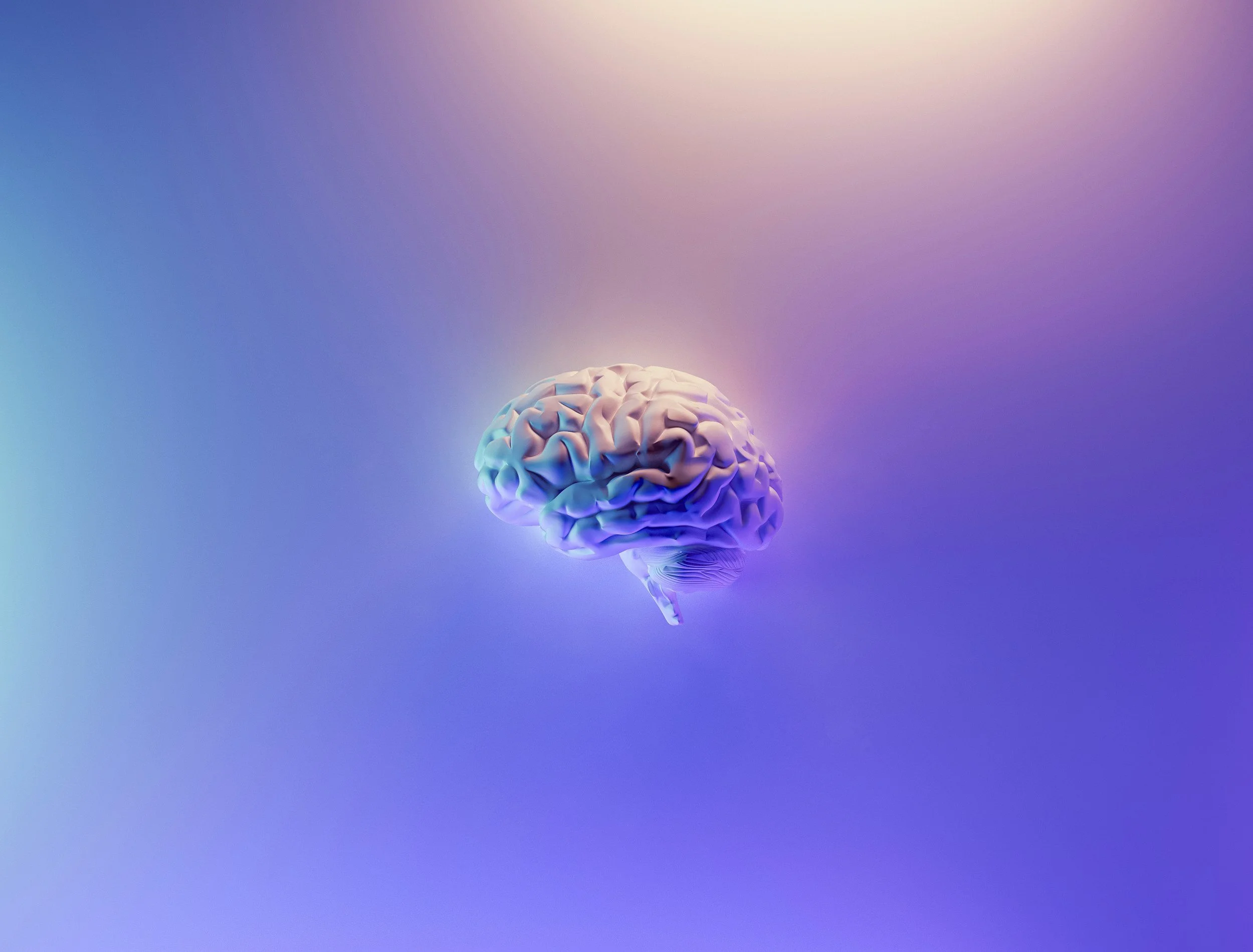
The Body Keeps Score Too
Trauma is not only stored in thoughts and memories; it also shows up in the body through chronic muscle tension, digestive issues, sleep disruption, and an overactive stress response system. The autonomic nervous system, which regulates functions like heart rate and breathing, can become stuck in a state of high alert or, conversely, shut down into a numb, disconnected state. This is why many trauma-informed approaches now address the nervous system directly rather than relying on talk therapy alone, recognizing that healing often needs to happen through the body as much as through the mind.
Neuroplasticity: The Brain’s Capacity to Change
The same neuroplasticity that allows trauma to reshape the brain also allows the brain to reorganize itself toward healthier patterns with the right support. New neural pathways can form throughout life, and existing patterns of overreaction can gradually soften with consistent, repeated experiences of safety. This is not a quick process, and it rarely happens through willpower alone, but the underlying biology supports genuine change rather than a fixed, permanent injury.
Approaches That Support the Healing Process
A range of approaches has shown real promise in supporting trauma recovery, including trauma-focused talk therapies, EMDR, somatic and body-based practices, and neurofeedback training that helps regulate the nervous system’s baseline arousal levels. Different approaches tend to work on different layers of the trauma response, which is part of why an integrative plan, developed with a qualified provider, often works better than any single method alone. What matters most is finding an approach that feels safe enough to engage with consistently.
Conclusion
Trauma changes the brain in specific, identifiable ways, from a more reactive amygdala to a quieter prefrontal cortex and a hippocampus working overtime to make sense of fragmented memories. But these changes are not the end of the story. The brain’s remarkable capacity for neuroplasticity means that with the right support, safety, and time, the nervous system can recalibrate and healing can take hold.
For those in Greenville, SC and throughout the Upstate South Carolina area looking for trauma-informed neurofeedback or brain-based support, BrainFit Studio offers assessments and training designed around each person’s unique nervous system.